Bounded use case
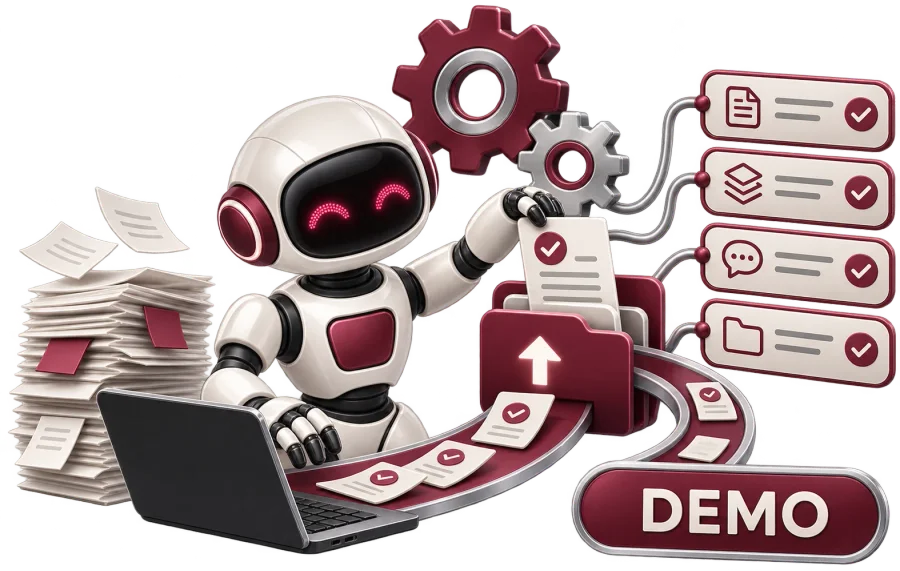
Identify a repeatable task, approved inputs and a measurable acceptance check before choosing an AI tool.
 LigicaTaste makes the difference.

Evaluate where an AI-assisted workflow could support routine tasks while keeping human responsibility clear.
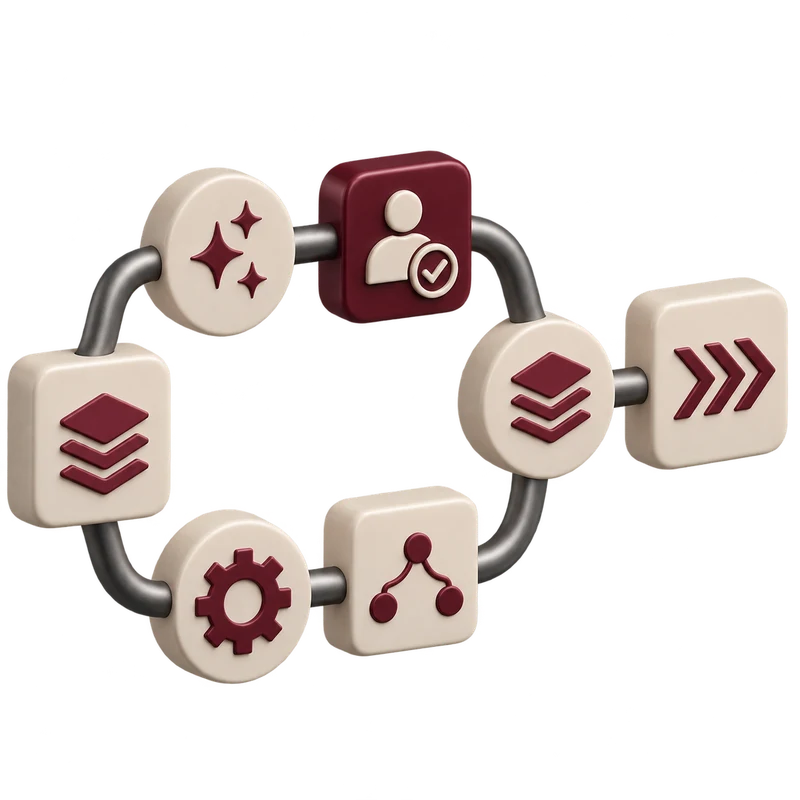
Identify a repeatable task, approved inputs and a measurable acceptance check before choosing an AI tool.
Test representative examples, difficult cases and escalation rules with a human responsible for approval.
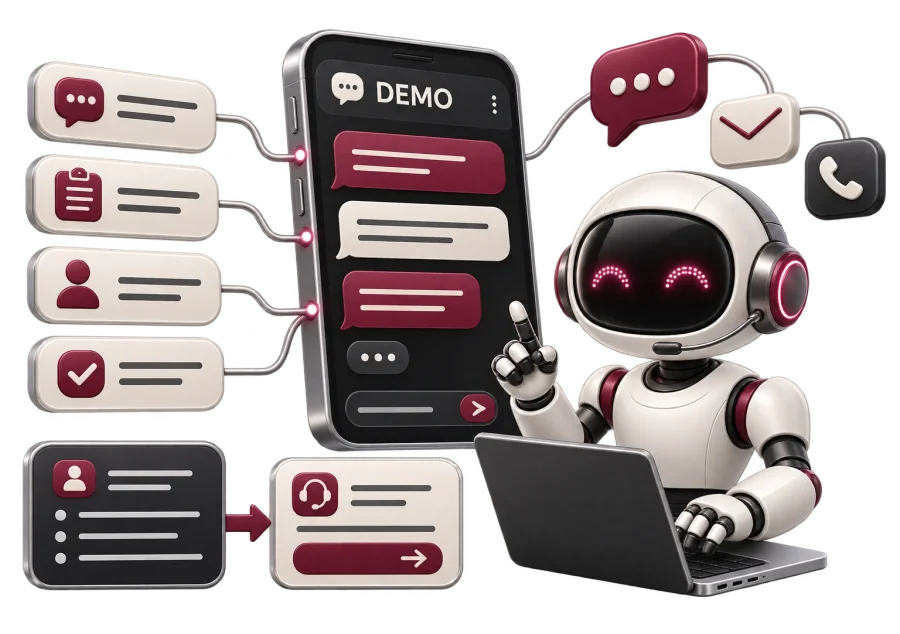
Document data permissions, model limitations, fallback behaviour and how the workflow can be paused or corrected.
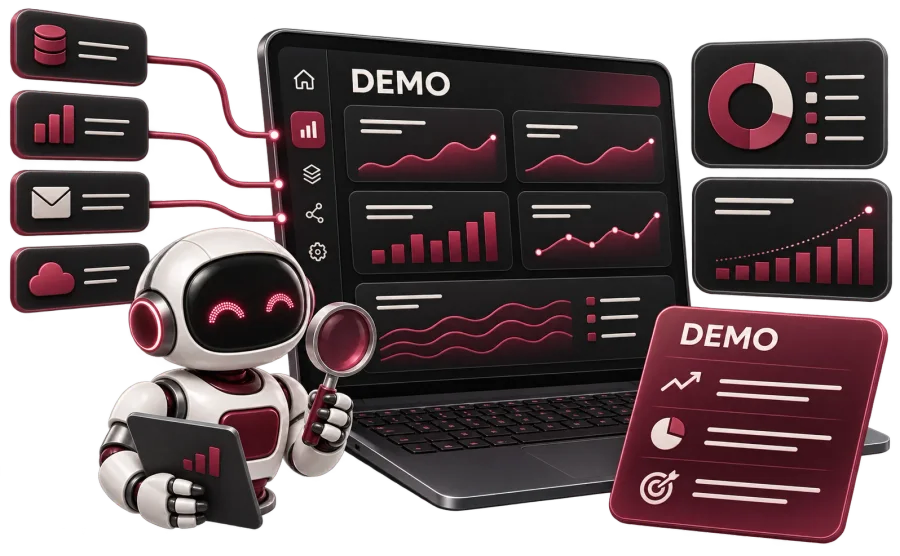
Map the current process, data sensitivity and acceptable error boundaries before choosing tools. Start with a bounded use case such as drafting, categorisation or internal knowledge retrieval, then define human review.
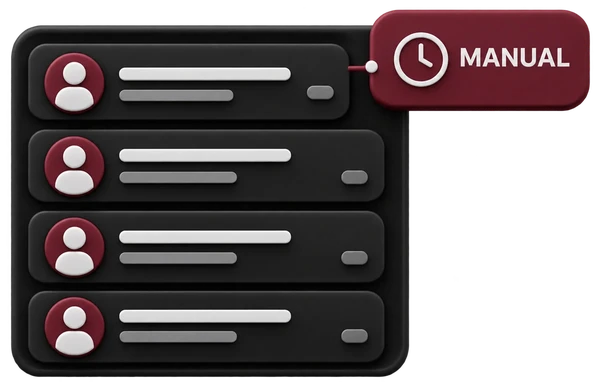
The final deliverables and review stages are defined around your requirements. The project can cover:
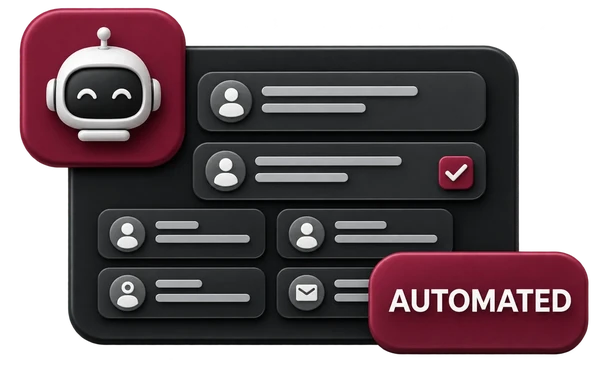
Process review and use-case definition
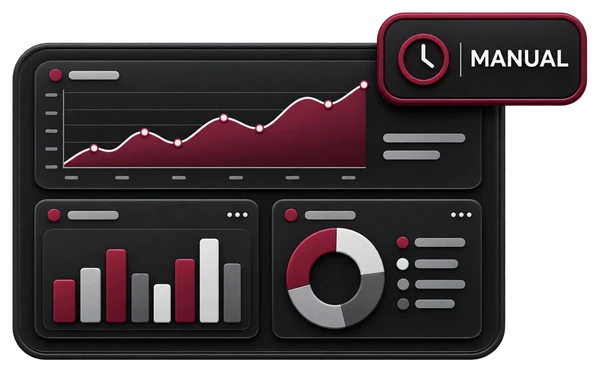
Prototype, integrations and review checkpoints
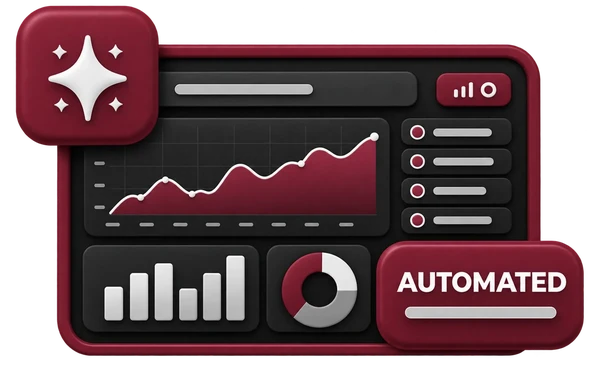
Quality checks, fallback and handover guidance
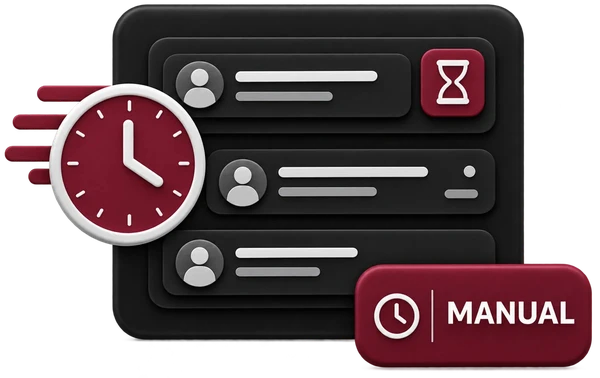
Model output can be inaccurate. Sensitive data access, vendors, costs and approval boundaries require explicit agreement; automated high-impact decisions are not assumed.
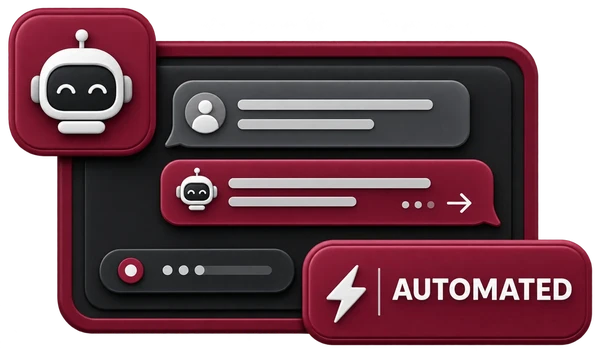

Map the current process, data sensitivity and acceptable error boundaries before choosing tools. Start with a bounded use case such as drafting, categorisation or internal knowledge retrieval, then define human review.

The final deliverables and review stages are defined around your requirements. The project can cover:

Process review and use-case definition

Prototype, integrations and review checkpoints

Quality checks, fallback and handover guidance

Model output can be inaccurate. Sensitive data access, vendors, costs and approval boundaries require explicit agreement; automated high-impact decisions are not assumed.
Map the current process, data sensitivity and acceptable error boundaries before choosing tools. Start with a bounded use case such as drafting, categorisation or internal knowledge retrieval, then define human review.
The final deliverables and review stages are defined around your requirements. The project can cover:
Process review and use-case definition
Prototype, integrations and review checkpoints
Quality checks, fallback and handover guidance

Map the current task, owners, data sources and failure points before choosing tools.

Select a bounded workflow and define permissions, human review and acceptance criteria.

Build a small test with representative examples and approved data before extending integrations.

Test edge cases, incorrect inputs, recovery and escalation, documenting what the workflow cannot do.

Explain operation, correction and stop controls, with responsibility for future changes clearly assigned.
Map the current process, data sensitivity and acceptable error boundaries before choosing tools. Start with a bounded use case such as drafting, categorisation or internal knowledge retrieval, then define human review.
The final deliverables and review stages are defined around your requirements. The project can cover:
Process review and use-case definition
Prototype, integrations and review checkpoints
Quality checks, fallback and handover guidance
Model output can be inaccurate. Sensitive data access, vendors, costs and approval boundaries require explicit agreement; automated high-impact decisions are not assumed.
This form prepares a WhatsApp message. You review and send it in WhatsApp.

Evaluate where an AI-assisted workflow could support routine tasks while keeping human responsibility clear.
WhatsApp opens a draft you can edit and review. Nothing is sent until you choose Send.
Open WhatsAppContact us on WhatsApp to discuss your project. No physical office address is published.